


The explosion of 5G has ushered in an era of ultra-fast connectivity, laying the foundation for the Internet of Things and smart cities. But that’s only the beginning.
6G – the next generation of mobile networks – promises to reshape global connectivity infrastructure, elevating artificial intelligence, virtual reality, and real-time communication to unprecedented levels.
This marks a revolutionary transformation of the digital world, where every limitation of speed, latency, and experience is redefined.
1. From 5G to 6G: Why Change Is Necessary
5G has opened an era of high-speed connectivity, low latency, and massive IoT support.
However, as data volumes surge and groundbreaking applications emerge—such as virtual/augmented reality (VR/AR), the metaverse, smart cities, and autonomous vehicles—5G will begin to reveal its limitations in bandwidth, optimal latency, connection density, and coverage expansion.
That’s why 6G is being developed as the foundation for the next generation of connectivity, with commercial rollout expected around 2030.
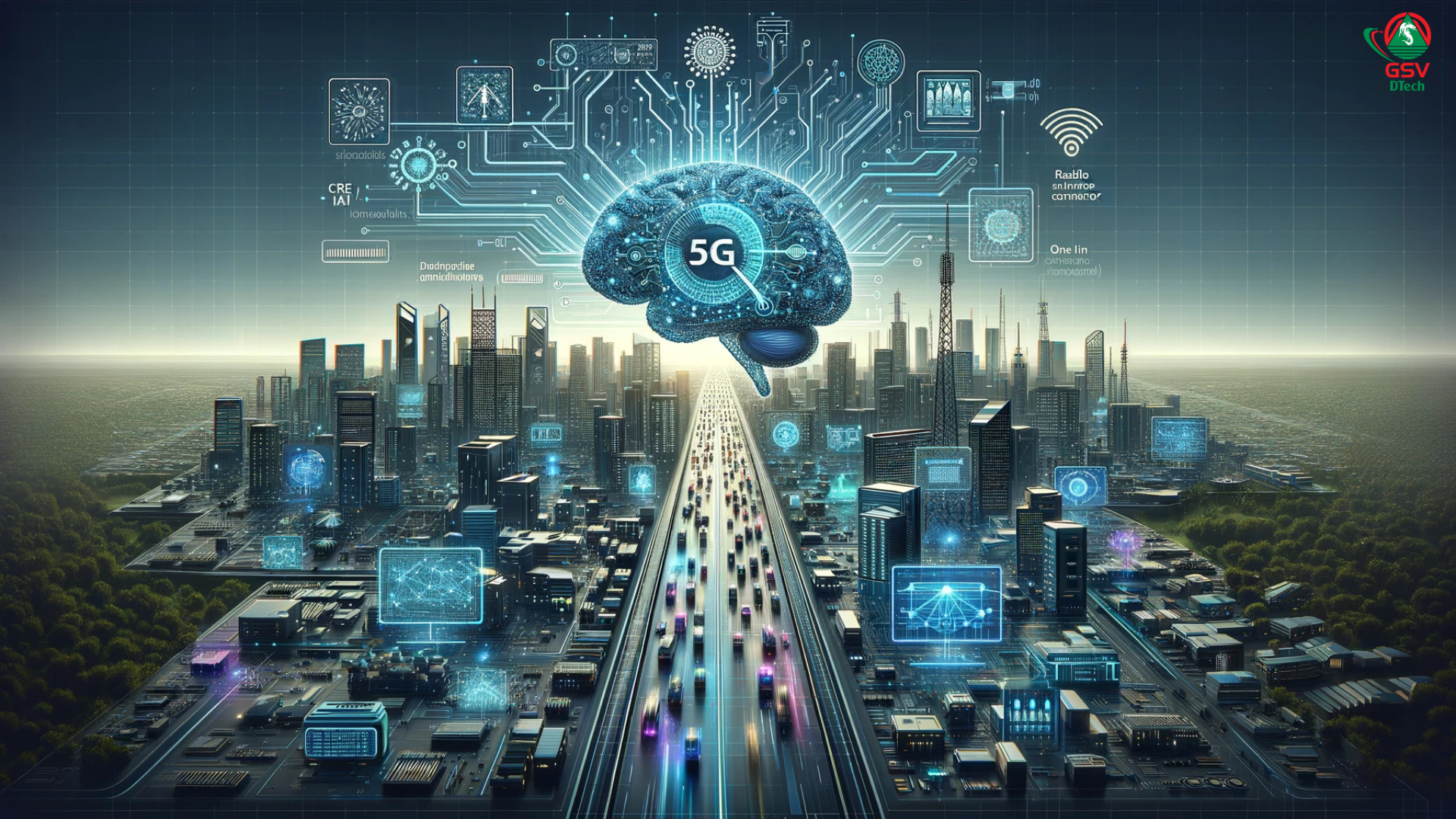
Cuộc cách mạng của 5G và 6G
2. Comparing 5G and 6G: Strengths and High Expectations
If 5G was seen as a revolution in telecommunications, then 6G is an intelligent evolution—faster, smarter, and deeper—where everything is not only connected but also contextually aware and responsive.
With 5G, data transmission speeds are ten times faster than 4G, enabling the rise of the Internet of Things, autonomous vehicles, and smart cities. Yet, 5G primarily focuses on high-speed data transfer.
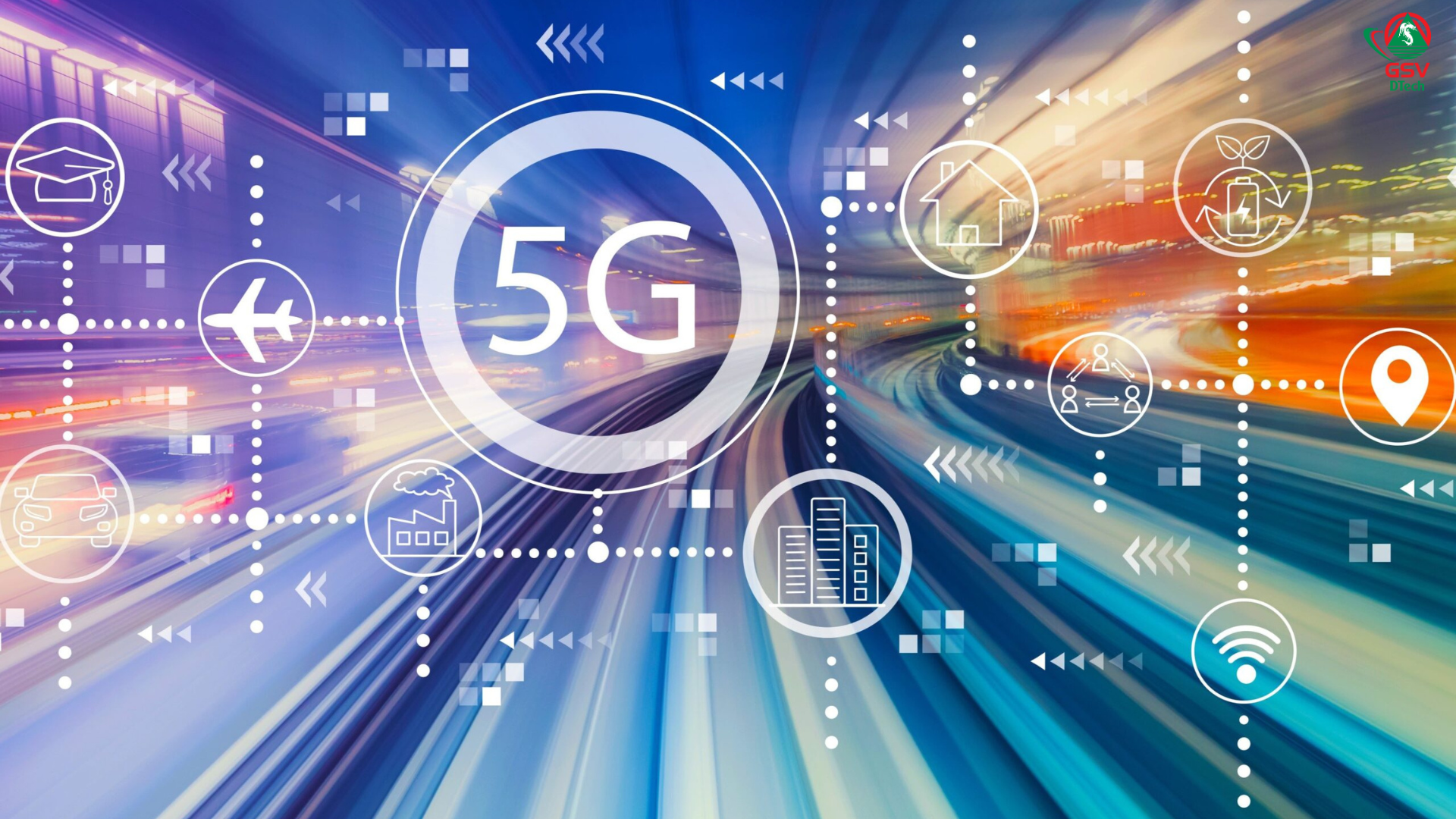
6G, now under research and early testing, aims to elevate this to a new dimension:
- Speed up to 50 times faster than 5G, allowing a 4K movie to be downloaded in seconds.
- Near-zero latency, enabling remote-controlled robotics, telesurgery, and real-time virtual interaction.
- AI-integrated network infrastructure that learns, predicts user needs, and optimizes performance instantly.
- The “Internet of Senses”, where people can experience sound, visuals, and even emotions through digital environments.
In short, 5G is the foundation, while 6G is the gateway to an era of intelligent connectivity—where devices, data, and humans merge into a seamlessly smart ecosystem.
3. Key Technologies Powering 6G
To achieve these ambitions, 6G must rely on several groundbreaking technologies:
- Terahertz (THz) communication: ultra-high frequency bands enabling extreme data speeds.
- AI-integrated intelligent networks: dynamic routing, self-management, and real-time optimization.
- Reconfigurable Intelligent Surfaces (RIS): smart surfaces that reshape wave propagation to expand bandwidth and improve signal quality.
- Multi-layered architecture (space–air–ground–sea): integration of satellites, aircraft, and terrestrial stations for truly global coverage.
- Network slicing & intelligent resource allocation: customized configurations for each application—healthcare, AR/VR, autonomous transport, and more.
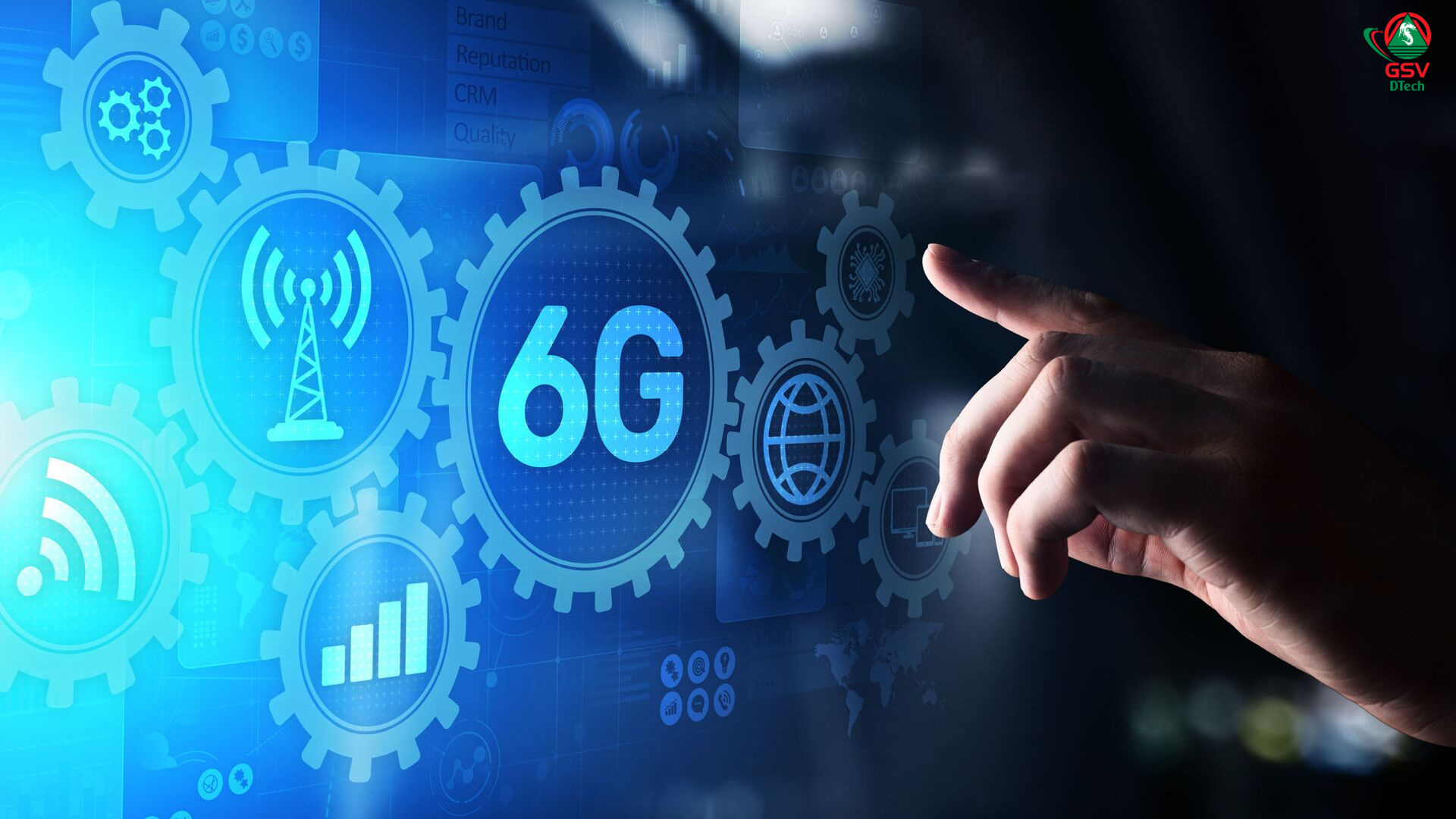
4. Future Applications and Social Impact
6G will not only expand in speed but also transform how we experience reality:
- Smart healthcare: remote diagnostics and robotic surgery powered by ultra-low latency and reliable connectivity.
- Smart cities & sustainable infrastructure: real-time traffic automation and energy management.
- Global connectivity: space-based networks ensuring coverage from remote areas to the ocean floor.
- Multi-sensory experiences: from AR/VR and augmented perception to holographic communication.

5. Challenges and Barriers to Overcome
The 6G revolution will not come easily – major hurdles remain:
- Cost & infrastructure: high-frequency deployment requires dense antenna networks and large investments.
- Energy efficiency: higher frequencies consume more power, demanding new energy solutions.
- Standardization & spectrum management: unified global standards are essential.
- Security & privacy: more devices mean more data and greater cybersecurity risks.
- Theory vs. practice: many 6G technologies remain untested at scale.
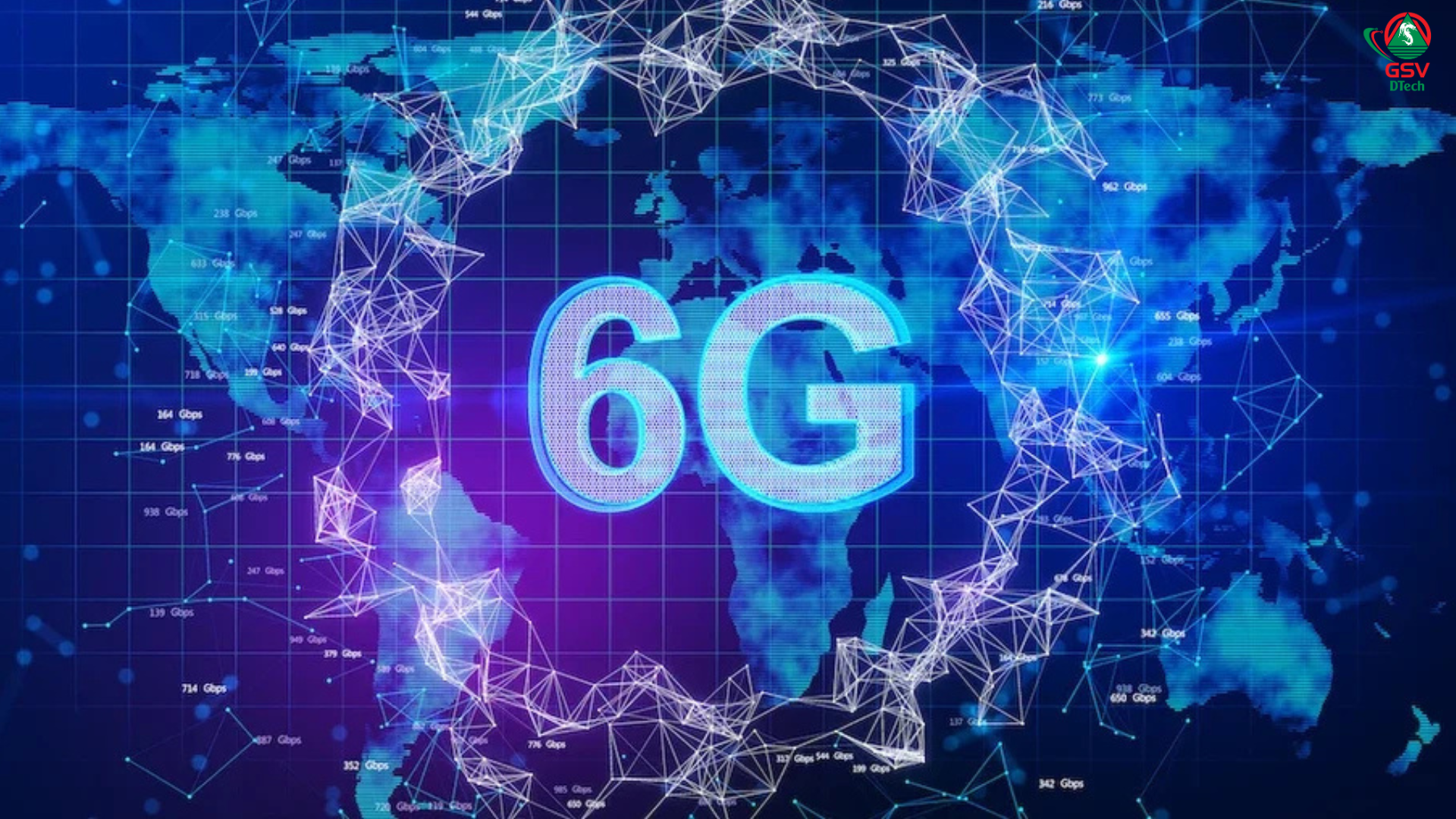
5G built the foundation for “intelligent connectivity,” while 6G will usher in the era of comprehensive intelligence – where AI, data, and sensors merge into the telecommunications fabric. By 2030, we are expected to see the first commercial 6G systems. This is not merely a hardware upgrade – it’s the convergence of intelligence, connectivity, and human experience, forming the foundation for innovation in an increasingly smart world.




0 comments
Write a comment